

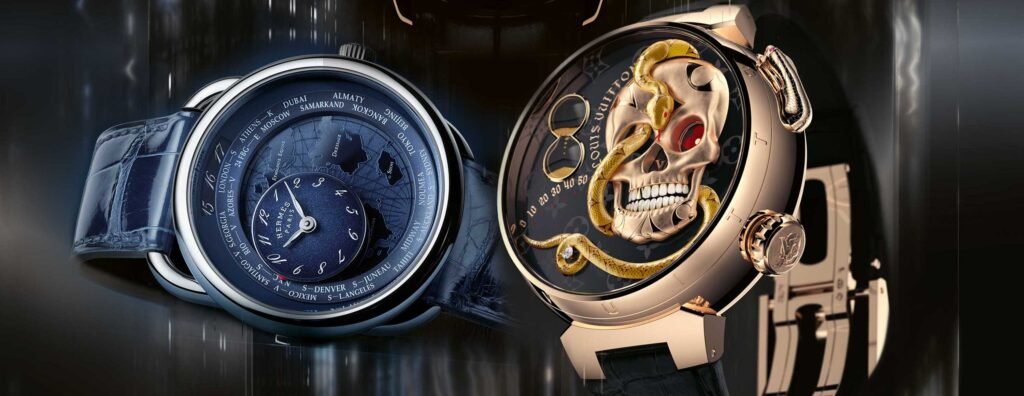
You’re getting ready for a big meeting. You’ve picked the perfect outfit, your shoes are polished, but something feels incomplete. Then you glance at your wrist. A good watch doesn’t just tell time—it finishes the look, signals intention, and says something about who you are. That’s the real power of watches in the fashion world, and it’s more relevant than ever in an era where most people check their phones for the time.
The Quick Answer: What Watches Actually Do in Fashion
A watch functions as both a practical timekeeping device and a statement piece that communicates personal style, status, and attention to detail. The intersection of horology and fashion has become increasingly important as consumers recognize that a timepiece can elevate casual clothing or complement formal wear in ways that few other accessories can. Unlike your smartphone, a watch remains visible on your wrist and reflects intentional style choices rather than necessity.
Understanding Watches as Fashion Accessories
The Dual Nature of Modern Watches
Here’s the thing that trips people up: a watch isn’t purely functional or purely decorative anymore. That distinction blurred somewhere around the time smartphones became ubiquitous. Today, when someone wears a watch, they’re making an active choice to do so. They’re not wearing it because they need to know the time—they’re wearing it because it matters to their image.
This shift is crucial. It means that watches have fully transitioned into the accessory category, alongside jewelry, belts, and bags. And like other accessories, they communicate. They signal taste, they suggest lifestyle, they hint at values. A vintage Rolex tells a different story than a minimalist Braun, which tells a different story than a colorful Swatch.
The Fashion-Functionality Balance
What makes watches unique in the accessory world is that they bridge two worlds. You can’t really go wrong with a purely decorative bracelet—if you don’t like it, you take it off. But a watch has to function. It needs to keep reasonably accurate time, endure daily wear, and actually stay on your wrist without becoming annoying. This creates an interesting design challenge that most other fashion items don’t face.
That’s why serious watch enthusiasts often talk about watches in terms that sound almost contradictory: a watch needs to be beautiful AND reliable, expensive yet understated, distinctive but timeless. It’s this tension that makes the category so interesting.
How Watches Work in Your Fashion Ecosystem
The Style Foundation Principle
Think of how a watch operates in your wardrobe the same way you’d think about a good pair of jeans. A solid denim base works with almost everything. A watch works the same way. The right watch essentially becomes invisible—not because people don’t notice it, but because it feels so naturally integrated into your overall look that it doesn’t distract from anything else.
This is different from a statement necklace or bold earrings, which are meant to draw attention. A watch is more like an exclamation point that’s always there, quietly reinforcing your aesthetic choices.
Color and Tone Coordination
A steel watch (silver-toned) works with cooler metallic jewelry and tends to pair well with blues and grays. A gold watch creates warmth and feels more luxurious alongside earth tones and blacks. Rose gold has become popular precisely because it’s versatile—it sits somewhere in between and works with a wider range of wardrobes.
The dial color matters too. A black dial is the chameleon of watch faces—it works with literally everything. White or cream dials feel fresher, more modern, and work particularly well with lighter clothing. Sunburst finishes or colored dials become more significant style choices and require intentionality.
The Formality Spectrum
Watches exist on a formality scale. A leather-strapped watch with a simple dial reads formal. Rubber straps and bold designs feel sporty. Mesh bracelets trend modern and slightly edgier. The metal bracelet is the classic choice—versatile enough for business but refined enough for evening wear.
Knowing where your watch sits on this spectrum matters because it determines how much flexibility you have. A formal dress watch is harder to wear casually. A sports watch can surprisingly work with dressy outfits if the dial is refined enough, but it requires more intentionality.
The Main Features That Actually Impact Style
Case Size and Wrist Presence
The most obvious feature is case diameter (typically measured in millimeters). Smaller watches (under 36mm) feel vintage, feminine, or refined. Larger watches (42mm and up) feel bold, sporty, or substantial. There’s no “right” size—it’s about proportion to your wrist and your personality.
What matters for fashion is this: an oversized watch on a smaller wrist can feel like costume jewelry. A tiny watch on a large wrist can get lost. The sweet spot usually exists around a 38-42mm range for men and 28-36mm for women, but individual preference overrides these guidelines.
Dial Design Language
The dial is what you actually see. Is it busy with lots of numbers and markers, or clean and minimal? Does it have a date window or subdials? Minimal dials feel contemporary and costly (there’s something expensive-looking about restraint). Complex dials with multiple elements feel busy but interesting—they reward closer inspection.
This absolutely matters for style. A minimalist dial reads modern and pairs well with contemporary fashion. A complex dial with chronograph subdials reads technical and sporty. These don’t blend randomly—you need to match your watch’s personality to your overall aesthetic.
Material Choices
Stainless steel is the default—durable, versatile, and relatively affordable at most price points. Titanium feels premium and lightweight but shows scratches more visibly. Gold (yellow, white, or rose) signals luxury and richness but can feel dated if the design isn’t timeless. Ceramic is increasingly popular because it’s scratch-resistant, feels premium, but remains neutral.
Leather straps signal tradition and formality. Fabric or rubber straps feel contemporary and sporty. Metal bracelets are classic and versatile. Switching straps is increasingly common because it allows one watch to shift across multiple style contexts.
Key Benefits: Why People Actually Care About Watches
They’re One of the Few Accessories Men Can Wear Freely
Let’s be honest: if you’re a man and you want to add some visual interest to your wrist without appearing to break any social codes, a watch is basically it. Jewelry options are limited. A good watch gets a free pass in professional and casual contexts because it’s understood as functional, even though we know it’s really also decorative.
Watches Communicate Without Words
A watch tells a story instantly. It says whether you value tradition or innovation, whether you prioritize function or aesthetics, whether you’re the type to invest in quality or prefer variety and trends. In professional settings, a watch is one of the few details people actually notice and remember. It’s like a visual version of a handshake—it creates a micro-impression.
Permanence and Relationship
Unlike fashion trends, a good watch can be with you for decades. People inherit watches. They buy one for a major life event and wear it for years. This creates emotional resonance that a trendy piece of clothing can’t match. Your watch becomes part of your story because it literally follows you through your life.
Versatility Across Contexts
With the right choice, one watch works for the gym, the office, a date, and a wedding. Name another single accessory that stretches that far. A blazer works across contexts. Jeans work across contexts. But a watch does it while remaining relatively invisible, which is somehow even more powerful.
Temporal Authority
There’s something about wearing a watch that suggests you’re punctual, organized, and serious about your time. Rightly or not, a watch communicates reliability. This matters in professional contexts. People trust watches more than they should.
The Honest Drawbacks: What Makes Watch-Wearing Complicated
The Cost Reality
If you want a watch that actually looks good, functions reliably, and will last years without falling apart, you’re entering territory where cost matters. You can find decent watches under $200, but at that price point, you’re often compromising on movement quality, materials, or design coherence.
A truly good watch—something you’ll want to wear for a decade—typically starts around $500-$800 for recognizable brands. Above that, you’re increasingly paying for heritage, rarity, and resale value rather than functional improvements.
Oversaturation of “Watch Guy” Culture
If you express genuine interest in watches, you risk entering a world of enthusiasts who can turn any casual interest into an intense hobby. Reddit’s watch communities, YouTube channels, and forums are filled with passionate people who can spend hours discussing bezels and lugs and movement finishing.
There’s nothing wrong with that world, but it can be intimidating. You might genuinely just want a nice watch to wear, and instead find yourself confronted with terminology, obsession levels, and purchasing philosophies that feel overwhelming.
The Trend Problem
Certain watch styles—luxury sports watches, vintage “homages,” minimalist Scandinavian designs—cycle through being wildly trendy and then feeling dated. If you buy based on what’s currently popular, you risk owning a watch that screams “I bought this in 2024” by 2030.
Maintenance and Repair
Quality watches need maintenance. Leather straps wear out. Metal bracelets need adjustment. Movements need servicing every 3-5 years depending on the watch. This creates ongoing costs that people often don’t factor in when purchasing.
The Gender Expectations Issue
Watch sizing expectations still trend toward gendered assumptions. Women’s watches are typically smaller and more limited in style range. Men who wear smaller watches might feel they’re breaking an unspoken rule. These expectations are loosening, but they haven’t disappeared, and navigating them requires confidence and intentionality.
Safety, Legitimacy, and Reality Checks
Counterfeiting is Real
High-end watch counterfeiting is a massive industry. If you’re buying from gray market dealers, online marketplaces, or anyone offering suspicious discounts on luxury watches, you need to be skeptical. This matters less if you’re buying from established retailers but becomes important at the collector level.
The Hype vs. Reality Disconnect
Social media has created expectation inflation around watches. Certain watches (Rolex sports models, vintage Omega Seamasters) have become investment-grade in people’s minds, with waiting lists and secondary market markups that don’t reflect actual value improvement. They’re beautiful watches, but they’re not financial instruments.
Durability Claims Need Context
When brands claim their watches are “water resistant to 300 meters,” they’re technically telling the truth, but most people will never use that feature. A watch doesn’t need to be a professional dive instrument to be reliable for daily wear. Some of the most stylish watches are only water-resistant to 30 meters (splash-proof), which is absolutely fine for normal use.
Fake Luxury Isn’t Worth It
It’s worth saying clearly: counterfeit watches are not a legitimate value play. They don’t improve over time. They don’t function as well. They’re not ethically produced. And if your goal is to look intentional about your style, wearing a convincing fake does the opposite. It suggests you’re prioritizing appearance over substance, which is the opposite of how fashion actually works.
Real-World Scenarios: When Watches Matter Most
The Professional Upgrade
Someone five years into their career realizes that their daily Apple Watch or generic digital watch isn’t quite matching their professional elevation. They invest in a solid stainless steel watch with a leather strap—something like a Tissot, Bulova, or Seiko Prospex. Suddenly, they feel different in client meetings. Whether this is real or psychological barely matters. The watch completes the professional image they’re trying to project.
The Casual Luxury Moment
A person who normally wears sportswear and sneakers buys a nice watch and discovers that one good accessory actually changes how they approach getting dressed. They start caring slightly more about grooming, about color coordination, about finishing details. The watch became a gateway to caring about style in a way they didn’t before.
The Inheritance Story
Someone receives their grandfather’s Seiko from 1975. It doesn’t matter that Seiko wasn’t “luxury” by collector standards. The watch connects them to family history, to a person they loved, to another era. They get it serviced, learn about watches for the first time, and develop actual passion. The watch becomes more meaningful than any newly purchased timepiece could be.
The Minimalist Choice
A person who owns 500 fashion items realizes that their watch is the only thing they actually wear consistently. This accidental discovery leads to intentional minimalism—they start actively building a smaller wardrobe where one good watch matters more than having options. The watch becomes the anchor piece.
Comparison: Watches vs. Other Accessories
Watches vs. Jewelry
Jewelry (bracelets, bracelets, rings) tends to be more decorative and more gendered in expectations. Watches are less gender-coded and blend function with aesthetics. Both communicate style, but watches feel less “optional” because of the time-telling element.
Watches vs. Bags
A good bag might actually be more important to daily functionality, but a watch is more visible and harder to ignore. A bag communicates through size and style; a watch communicates through every detail. Neither is objectively better—they serve different purposes in your accessory hierarchy.
Watches vs. Shoes
Shoes matter more for overall visual impact because people see your feet instantly. But shoes are also expected to change based on context and season. A watch is the one accessory that can legitimately stay the same across all contexts. For consistency of identity, a watch wins.
Common Limitations People Actually Experience
The Comfort Learning Curve
Most people need 2-3 weeks to stop being hyperaware of a watch on their wrist. Until you pass that adjustment period, you’ll keep noticing it, and you’ll wonder if you made a mistake. You probably didn’t—you’re just adjusting to something touching your wrist.
The Sizing Accuracy Problem
Metal bracelets need proper sizing. Even off-the-shelf watches from major retailers often arrive with links you need to remove. This requires a jeweler (cheap but needs a trip) or learning to do it yourself (easy but feels intimidating the first time). Leather straps need to be worn a few times to determine if the fit is right.
The Movement Quirks
Automatic watches (the classic mechanical kind) run fast or slow by a few seconds per day, depending on how they’re worn. This isn’t a defect—it’s normal. If you’re someone who checks the time multiple times per hour, a basic quartz watch will feel more accurate and less temperamental.
The Style Obsolescence Question
Some watches feel tied to their era. A watch design from 2005 might suddenly feel dated. Classic designs (the Rolex Submariner, the Omega Seamaster, the Seiko 5) transcend trend cycles, but they’re not the only options. Finding a balance between personal taste and timelessness requires actual thought.
Expert Perspective: The Practical Reality
After analyzing thousands of watch choices and their actual impact on how people feel about their style, a few patterns emerge.
First: Most people overthink this. A watch under $500 that you genuinely like will serve you perfectly well. The jump from a $200 watch to a $500 watch is noticeable in build quality and feel. The jump from $500 to $5,000 is increasingly about heritage and community rather than functional improvement.
Second: Your actual life should determine your watch choice. If you’re sedentary, a sports watch will feel like costume. If you’re active, a dress watch might frustrate you. If you live business-casual, you need a bridge watch that works in multiple contexts.
Third: A watch only works stylistically if you like looking at it. Every single day, your wrist will be in your peripheral vision dozens of times. If you buy a watch because it was recommended rather than because you genuinely think it’s attractive, you’ll eventually stop wearing it. This is the most common “watch failure” pattern—not mechanical issues, but loss of interest.
Fourth: The watch you own now is probably fine. The watch you think you need is probably not necessary. The watch you’ll actually wear forever is the one that blends utility with genuine aesthetic appeal. These are rarely the same watch that marketing or forums are pushing at the moment.
Final Verdict: Are Watches Worth the Investment?
For Fashion: Absolutely. A good watch is one of the few accessories that works across contexts, improves with age, and actually strengthens your overall style coherence.
For Function: Probably not, if your only goal is to know the time. A phone does that more accurately and more conveniently.
For Investment: Only if you’re buying established brands with strong secondary markets and you’re prepared for the reality that most watches depreciate. Don’t buy watches expecting to profit.
For Personal Satisfaction: Frequently yes, especially if you love the idea of wearing something that has history, craftsmanship, and a narrative.
If you’re someone who cares about how you present yourself, a watch is worth consideration. If you’re indifferent to accessories, don’t force it. If you’re someone who loves objects with stories, a watch is a perfect category to explore. The key is matching your watch to your actual values and lifestyle, not to what’s currently trendy or what someone online says you should own.
Read Next Blog: Medieval Fashion Men
FAQs
Q: What’s a good first watch for someone who doesn’t know anything about watches?
A: A quartz watch (battery-powered, keeps better time) in a classic design from a recognized brand. Look for something under $500—brands like Timex, Seiko, Bulova, Tissot, or Citizen. Choose a dial color (black is safe) and strap material (leather is most versatile for getting started) that appeals to you. Wear it, figure out if you like how watches feel, and then decide if you want to invest more.
Q: How do I know if a watch actually matches my style?
A: Imagine seeing someone else wearing it. Would you think “that person looks good” or “that looks weird on that person”? If it’s the first, it probably works. Also, check your existing jewelry and accessories. Does the metal tone match? Does the formality level match how you dress? A formal dress watch won’t work if you’re a casual dresser, and vice versa.
Q: Are luxury watches actually better than mid-range watches?
A: In terms of telling time accurately and lasting decades, a $300 Seiko and a $3,000 Rolex are functionally similar. The luxury watch will have better finishing, higher-quality materials, better resale potential, and more prestige. But it won’t work better in practice. Buy luxury because you appreciate the craftsmanship or heritage, not because you think it functions better.
Q: What’s the difference between automatic and quartz watches?
A: Automatic watches use your wrist movement to wind a spring that powers the movement (mechanical, traditional). Quartz watches use a battery. Automatic watches require more care, run slightly fast/slow, and feel more luxurious to enthusiasts. Quartz watches are more accurate, require less maintenance, and are more practical for daily wear. For fashion purposes, pick based on what appeals to you—there’s no right answer.
Q: How often do I need to service a watch?
A: Quartz watches need a battery change every 2-3 years. Automatic watches should get serviced every 3-5 years depending on usage and movement type. This costs $150-$500 depending on the watch. Budget for this if you’re considering an automatic watch as a long-term investment.
Q: Can I actually wear a sports watch with formal clothes?
A: Technically yes, but it depends on execution. A sports watch with a refined dial can work if everything else about your outfit is sharp and intentional. A sports watch with a busy dial and rubber strap will feel tonally off. If you want maximum versatility, pick a watch that sits in the middle—neither too formal nor too sporty.
Q: Should I buy vintage or new?
A: New means warranty and reliability. Vintage means history and potentially better value, but more risk. If you’re starting out, buy new from an established brand. Once you know what you like, vintage becomes more interesting because you can find models that are no longer in production.
Q: What’s the deal with Rolex waiting lists?
A: Certain Rolex sports models have developed cult status and secondary market premiums. Authorized dealers often have waiting lists because demand exceeds supply. You can buy one immediately on the secondary market at a markup, or you can wait and buy at retail. From a fashion perspective, a Rolex is beautiful and iconic, but the hype is partially about scarcity and investment potential, not pure functionality.
Q: Is a smartwatch a watch, fashion-wise?
A: Functionally, yes. Fashion-wise, it depends on the design. Some smartwatches (like certain Wear OS watches or Apple Watches with nice bands) work in casual contexts. Most smartwatches feel slightly tech-forward rather than timeless, which means they date faster. If you want a watch for fashion first, a traditional watch is probably safer. If you want a watch for function first, a smartwatch makes sense.
Q: How do I wear a watch with other bracelets?
A: This works if done intentionally. Stack a thin bracelet with a watch, or wear a watch on one wrist and bracelets on the other. Mix metals if it’s intentional (don’t randomly mix—it should feel like a choice). This works better if the watch has a clean design that isn’t too thick. If you’re unsure, just wear the watch alone. It’s enough.
Q: What’s the one watch I should own?
A: There isn’t one. But if you genuinely only want one watch and you wear it every day across all contexts, pick something that: a) looks good to you (this matters more than any other factor), b) works across formality levels, c) is reliable enough that you trust it, and d) is in a material and style that you won’t tire of. A stainless steel watch with a simple dial, leather or metal strap, 36-42mm case, from a recognized brand usually hits all these marks.
