

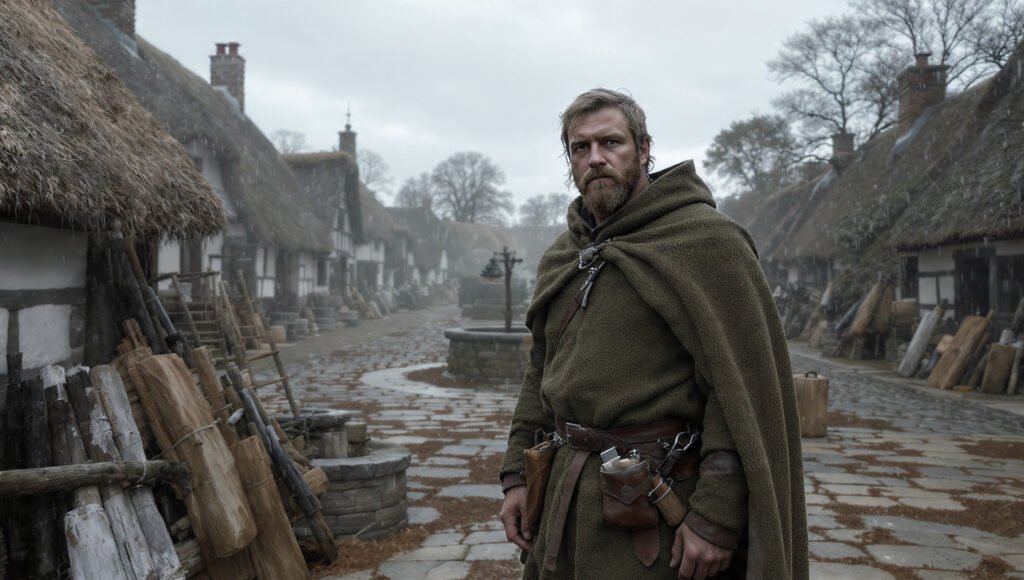
I’ll be honest—when I first started researching historical clothing, I expected to find information that was either painfully academic or wildly inaccurate. What I discovered instead was a rich, complex world where practical clothing choices tell us as much about everyday life as they do about craftsmanship and social status. If you’re interested in medieval fashion men’s styles, you’re tapping into something that connects history, personal expression, and craftsmanship in genuinely interesting ways.
The Quick Answer: What We’re Actually Talking About
Medieval men’s clothing—from roughly the 5th to 15th centuries—wasn’t a single “look.” It was a constantly evolving system shaped by available textiles, social hierarchy, and regional differences. What a peasant wore in England looked different from what a merchant wore in Venice, which looked nothing like what a nobleman wore at court. The common thread? Function mixed with visible status signaling through fabric, fit, and ornamentation.
For modern purposes, when people reference medieval fashion for men today, they’re usually interested in one of three things: authentic historical recreation, wearable styling for events like Renaissance fairs or LARP, or the aesthetic appeal of the silhouettes and construction methods themselves.
What Medieval Fashion for Men Actually Encompassed
The term “medieval” itself covers 1,000 years of fashion evolution. Early medieval men’s clothing was heavily influenced by Roman and Germanic traditions—think tunics, cloaks, and practical layers. By the High Middle Ages (roughly 1000-1300s), we see the development of the garments most people picture: fitted hose, doublets, codpieces, and the dramatic silhouettes that characterize late medieval style.
The foundational pieces included:
The Tunic or Chemise: A linen undergarment worn against the skin. This wasn’t rough—linen was valued and sought after. It regulated temperature and absorbed sweat in ways medieval men understood even without the language of modern fabric science.
The Pourpoint or Doublet: A padded jacket that evolved significantly over the centuries. Early versions were simply quilted for warmth and structure. Later doublets became increasingly fitted, featuring complex tailoring that required real skill to construct.
Hose: Leg coverings that ranged from simple wrappings in the early period to fitted, tailored leg coverings by the later medieval era. The transition from loose wrappings to tailored hose represents genuine innovation in garment construction.
Outer Robes and Coats: From simple wool cloaks to elaborate houppelandes (loose, flowing overgowns with exaggerated sleeves), the outer layer communicated wealth and status instantly.
Headwear: Hoods, coifs, and various hat styles weren’t optional. Covering the head was normal daily practice, and the style of your headwear signaled your profession, status, and sometimes even your religion.
How Medieval Clothing Actually Worked as a System
This is where things get interesting beyond just looking nice. Medieval clothing worked within serious practical constraints and operated as a status-signaling system more sophisticated than we often give it credit for.
Layering for Function: Medieval men wore multiple layers not because they had nothing else to do with their time, but because layering was the only effective way to regulate temperature in unheated spaces. The linen chemise wicked moisture. Wool layers trapped air. The outer garment protected from wind and rain. This wasn’t primitive thinking—it was solving a genuine problem with the materials at hand.
Tailoring and Movement: The popular image of “everyone shuffling around in shapeless robes” is wildly inaccurate. Tailoring during the medieval period, especially in the later centuries, was sophisticated. Fitted doublets required calculated seams and adjustments. Hose that actually fit required individual customization. A soldier or laborer needed clothing that allowed real movement—a poorly fitted garment would be actively uncomfortable during eight hours of work.
Material Properties: Medieval people understood textiles in ways we’ve largely forgotten. They knew that linen became softer and more absorbent with use and age. They understood that wool felted under certain conditions (sometimes intentionally, sometimes not). They could judge a textile’s quality by feel and knew how to care for it accordingly.
Visible Status: Clothing instantly communicated your place in the social hierarchy. Bright dyes were expensive—purple from murex shells, scarlet from kermes insects, vivid blues from woad or indigo. A man wearing bright colors was literally advertising his wealth. Gold embroidery, fur trim, fine linen—these weren’t decorative choices made in a vacuum. They were investments that worked to maintain or improve your social position.
Who Actually Wears Medieval Fashion Today?
The modern interest in medieval men’s clothing comes from several distinct groups, each with different priorities:
Living History and Historical Reenactment Communities: These folks want accuracy down to the seams. They research specific time periods, regions, and social classes. A merchant’s son from 1380s London would look different from a soldier from 1450s Scotland, and people in this community know it. They’re often willing to invest significant time and money to get details right because authenticity is the whole point.
Renaissance Fair and Festival Attendees: These communities prioritize looking period-adjacent and having fun. Historical accuracy matters less than feeling like you’re part of the world. You’ll see a lot more gold trim, fantasy elements mixed in, and modern comfort accommodations (pockets, elastic, easier-to-move-in fits) than strict historical recreation would allow.
LARP (Live Action Role-Playing) Participants: Depending on the specific LARP community, standards vary wildly. Some games prioritize detailed accuracy; others focus on character and aesthetic. Most find a middle ground—recognizable as historical-ish without requiring PhD-level research to achieve.
Costume Makers and Designers: From theater productions to film and television, professionals who create medieval costumes for entertainment use historical references but balance them with practical considerations like visibility on stage, movement under lights, and durability through multiple performances.
History Enthusiasts and Casual Appreciators: Not everyone wearing medieval clothing is interested in historically accurate reproduction. Some people simply enjoy the aesthetic—the silhouettes, the craftsmanship, the connection to history it represents.
Core Features That Define the Aesthetic
Whether you’re going for strict historical accuracy or a fantasy-flavored version, certain features show up consistently:
Structured Silhouettes: Medieval men’s clothing, especially from the 14th century onward, emphasized a defined waist and structured chest. This comes from tailoring and understructure—doublets were built to create shape, not just cover the body. Modern clothes drape; medieval clothing was built.
Natural Fiber Fabrics: Linen, wool, hemp, and linen-wool blends. These weren’t always soft—rough wool against skin happened—but they breathed and handled temperature changes in ways synthetic fabrics still don’t match.
Visible Construction: Seams, stitching, fastenings—these were visible design elements, not hidden away. Decorative stitching served both practical (holding things together longer) and aesthetic purposes. Buttons, when they existed, were often functional jewelry rather than purely practical fasteners.
Layering Complexity: Even casual clothing involved multiple pieces worn together. A man might wear a chemise, a doublet or tunic, hose, a coat or houppelande, and a hood all at once. This created visual interest and texture that monocolor modern outfits rarely achieve.
Rich Color and Texture Variation: In a world without synthetic dyes, colors were earthy but rich. Rust reds, deep blues, forest greens, natural grays and creams. Texture came from weave variations and different fiber types worn together.
The Real Benefits of Medieval Fashion for Men
Beyond the obvious “it looks cool” factor, there are genuine advantages to medieval clothing systems, especially if you understand why they were designed that way:
Authentic Comfort in Certain Contexts: Historical linen and wool actually feel better on skin than you might expect, especially if sourced from quality makers. Linen gets softer with age and use in ways synthetic blends don’t. The layering system genuinely works for temperature regulation if you understand how to use it.
Durability and Repairability: Clothing made with natural fibers using quality construction methods lasts longer and can be repaired by hand stitching. A seam comes loose; you fix it. A small tear happens; you patch it. You’re not throwing out a $200 piece of clothing because a single seam failed.
Connection to Craft and History: Wearing clothing you’ve researched or had made to historical specifications creates a different relationship with what you wear. You understand the thought that went into the garment, the labor involved, the clever problem-solving that historical tailors used.
Functional Design: Medieval clothing had evolved over centuries to solve real problems. The system actually works. Hose and doublet with proper lacing stays in place during physical activity. Layers provide genuine temperature management. Nothing is purely decorative—it all serves a purpose.
Psychological Effect: This is harder to quantify but worth mentioning. Wearing clothing that’s substantially different from everyday modern wear can shift your mindset. Whether you’re at a historical event or just wearing a tunic and hose for a LARP session, the physical sensation of different garments affects how you move and present yourself.
Real Drawbacks and Practical Challenges
Being honest about medieval fashion means acknowledging genuine limitations:
Time and Complexity: If you want quality medieval garments, you’re either spending significant money or significant time learning historical construction techniques yourself. A properly fitted doublet with historically accurate tailoring takes hours to construct. Even basic historical accuracy requires learning some textile knowledge.
Modern Incompatibility: Medieval clothing looks striking, but wearing it to a grocery store will mark you as unusual (which might be fine, depending on your community). Most modern spaces—offices, schools, casual social situations—don’t accommodate historical clothing without drawing attention or discomfort.
Practical Limitations: Pockets don’t exist in most historical styles. Zippers are impossible. Modern hygiene expectations around washing frequency don’t match historical practices (medieval people didn’t wash clothes as often as we do, partly because washing destroyed fine fibers). This creates friction in actually living in medieval clothing daily.
Cost of Quality Materials: Authentic linen and quality wool cost more than synthetic alternatives. Adding in historical dyes, hand-stitching, and skilled construction, and you’re looking at real investment for a single garment.
Fitting Challenges: Off-the-rack historical clothing rarely fits perfectly. Individual adjustment is necessary, and not everyone has the sewing skills to modify a garment properly. This is why custom makers charge what they charge.
Maintenance: Linen requires proper care—it can mildew, moths love wool, and natural fibers demand attention that synthetic clothing doesn’t. If you’re genuinely wearing historical garments, you need to understand textile care.
Legitimacy Check: Is This Just Costumes or Something Real?
Here’s where I want to push back on the idea that historical costume is frivolous. Medieval fashion for men represents legitimate historical knowledge, skilled craftsmanship, and genuine engineering problem-solving.
The research communities studying historical clothing are rigorous. People reference primary sources—actual surviving garments, period artwork, written descriptions. The tailoring techniques used in historical recreation are real techniques that historical tailors actually used. When someone constructs a doublet using period-appropriate methods, they’re recreating actual historical skills.
That said, there’s a distinction worth making: wearing a “medieval-inspired” outfit to a Renaissance fair is different from historical reenactment. The former is costume and entertainment. The latter is a serious attempt to recreate and understand historical reality. Both have value, but confusing them can lead to inaccurate assumptions.
Modern mass-produced “medieval clothing” sold online ranges from slightly inaccurate to wildly historically inaccurate. Mass production makes quality control and authentic tailoring nearly impossible at affordable prices. If you’re interested in something historically defensible, you’re usually looking at either learning to make it yourself or paying a custom maker.
Common Problems and How Real People Solve Them
If you’re genuinely interested in medieval fashion for men, you’ll encounter some recurring challenges:
Finding Accurate Information: Online sources vary wildly in quality. Some popular “medieval fashion” blogs propagate outdated or inaccurate information. Academic sources can be overly technical. Communities like the Living History Association or specific regional reenactment groups tend to have the most reliable information because they self-police quality.
Balancing Accuracy with Wearability: Most people can’t wear strict 14th-century garments to modern daily life. The solution that works is layered accuracy—wear historically accurate base layers and undergarments with modified outer clothing that’s roughly period-appropriate but includes modern accommodations.
Sourcing Materials: Finding period-appropriate fabrics requires either specialized suppliers (which exist and often ship internationally) or making do with standard modern fabrics that approximate historical materials closely enough. Some people learn to hand-dye fabrics using historical methods.
Fitting Properly: This is genuinely difficult. Medieval garments require different fitting principles than modern clothing. A doublet isn’t made to fit like modern jackets do. Learning to fit medieval garments properly requires either finding a maker who knows how, or investing time in learning yourself.
Knowing Where to Start: If you’re new to this, jumping straight to attempting a complete outfit is overwhelming. Most people find it helpful to start with one piece—maybe a simple tunic or hood—and build understanding and skill from there.
Comparison with Alternatives
If you’re interested in historical clothing aesthetics, you have options:
Full Historical Reenactment: Maximum accuracy, maximum investment (time and money). Best if you’re genuinely interested in historical understanding or active in reenactment communities. You’ll have pieces made to exacting standards, but you’re paying for that precision.
“Medieval-Inspired” Commercial Clothing: Lower cost, faster acquisition, moderate accuracy. Works if you want the aesthetic without the research commitment. Quality varies widely, and you’re unlikely to find anything that would fool historians, but it reads as “medieval” to casual observers.
Theatrical Costume Rental: If you need something for a single event, renting is cheaper than buying. Downside: rental pieces are constructed for durability under stage lights, not for historical accuracy or comfort during extended wear.
DIY Construction with Modern Patterns: There are modern historical sewing patterns designed for people who want historical clothing but don’t want to research period-accurate tailoring. It’s a middle ground—historical-looking but constructed with modern sewing techniques.
Fantasy and Alternative Fashion: If historical accuracy isn’t important and you want the general medieval aesthetic, larp suppliers and fantasy fashion communities have lots of options with less pressure for accuracy.
The Honest Assessment: Is This Actually Useful?
This is the real question, and the answer depends entirely on what you want.
If you’re looking for authentic historical understanding, medieval fashion for men offers genuine educational value. You learn about trade networks (where did dyes come from?), social structure (who could afford what?), technology (how were seams constructed?), and daily life (what did comfort actually mean in a cold, unheated hall?). This isn’t trivia. It’s understanding how people actually lived.
If you’re looking for event-wear or costume for Renaissance fairs or LARP, it’s useful and fun. You’ll spend money you’d otherwise spend on other entertainment, and you get the satisfaction of looking good while participating in something you enjoy. The skill-building is real—you’ll learn to move differently, understand costume construction, and likely develop relationships with other people who share the interest.
If you’re hoping to wear medieval clothing as everyday fashion, the practical limitations mean you’ll be fighting against modern infrastructure constantly. You can do it, and some people do, but it requires commitment and tolerance for being unusual.
If you’re seeking connection to history and craft, medieval fashion offers that genuinely. Understanding why a doublet was constructed the way it was, learning to construct one yourself, or wearing garments made with techniques unchanged for centuries—there’s real meaning there if that appeals to you.
The usefulness comes down to your actual goals and your willingness to invest in getting them right. Nothing about medieval fashion for men is instantly useful in the sense that learning to use a spreadsheet is useful. But it’s profoundly useful if what you’re seeking is understanding, creative expression, historical knowledge, or community connection.
Expert Opinion: What Actually Matters
After researching this deeply, here’s what I think actually matters if you’re seriously interested:
Start by figuring out what you actually want. Are you interested in strict historical accuracy? Event-wear that looks period-adjacent? Learning to sew? The research and resources you need change dramatically based on that answer.
If accuracy matters to you, find primary sources and communities. Learn what real medieval people actually wore, not what Hollywood shows you. The differences are significant, and knowing them changes everything about how you approach this.
Invest in quality if you’re going to invest. A well-made single piece of clothing from a skilled maker will teach you more and serve you better than several cheap pieces. You don’t need a complete outfit—start small.
Understand the philosophy behind the design. Medieval clothing was designed by people solving real problems with real constraints. Understanding that problem-solving approach means you actually understand the aesthetic, not just copying surface-level details.
Connect with actual communities. LARP groups, historical reenactment societies, and online communities of people who share this interest will teach you more in a month than you’ll learn reading articles in six months.
Don’t fake it carelessly. If you’re claiming historical accuracy and you haven’t done the research, people who actually know will notice. That’s not gatekeeping—that’s just people who care about accuracy caring about accuracy.
Final Verdict
Medieval fashion for men is legitimate if approached with honesty about what it is. It’s not practical everyday wear for modern life, and it’s not going to make you a better person. What it is: a genuinely interesting intersection of history, craft, aesthetics, and community. If those things appeal to you, it’s worth exploring.
The clothing itself is evidence of how medieval people solved problems, what they valued, and how they understood beauty and function together. That’s worth studying. The modern communities built around this interest are creative, thoughtful, and genuinely welcoming to people curious about learning.
If you’re casually interested, maybe you look up some pictures or visit a Renaissance fair in costume. If you’re seriously interested, this is a deep rabbit hole that can sustain years of learning, making, and community participation. Both are fine. Just know which one you’re doing.
Read Next blogs: Solar System
FAQs
Q: How historically accurate does clothing actually need to be at Renaissance fairs?
A: Honestly? Most Renaissance fair attendees won’t know if your doublet is 1420s or 1480s styled. What matters more is that it reads as “medieval-ish” at a glance and makes you feel confident. That said, if you’re standing next to someone in a historically accurate outfit, the difference becomes obvious. Most people aim for something roughly period-appropriate that won’t embarrass them in detailed conversation.
Q: Can I actually make medieval clothing if I can’t sew?
A: Learning to hand-sew to medieval standards isn’t beyond reach for motivated people. You’ll need patience and practice. There are online tutorials, books, and communities dedicated to teaching historical sewing techniques. Start with something simple—a tunic or chemise before attempting fitted pieces like doublets.
Q: How much should I expect to spend on quality medieval clothing?
A: A single quality custom-made piece (like a well-made doublet or houppelande) from a skilled maker typically costs $300-$1,000+ depending on materials and complexity. If you’re building a complete outfit with tunic, doublet, hose, shoes, and outer garment, you’re looking at $2,000-$5,000+ for quality custom work. That sounds expensive until you realize you’re potentially wearing these pieces for 10+ years at events and storing them carefully.
Q: What’s actually the difference between LARP costumes and historical reenactment clothing?
A: Historical reenactment prioritizes accuracy—construction methods, materials, fit, and appearance should match historical evidence. LARP costumes prioritize the character and aesthetic while being functional for a game—they might include fantasy elements, use modern construction if it looks right, and prioritize wearability during active play. Both communities respect expertise within their own frameworks.
Q: Are there medieval fashion styles that work better for beginners?
A: Earlier medieval styles (roughly 600-1100s) are often simpler—tunics, cloaks, and wrapping hose are more forgiving than the tailored pieces of later periods. High medieval transition clothing (roughly 1100-1200s) is another good starting point. Later medieval (1300-1400s) involves more complex tailoring but results in the dramatic silhouettes most people picture.
Q: What’s the best way to find authentic information instead of Hollywood medieval fashion?
A: Academic sources, surviving garment collections (museums often have databases online), and period artwork are reliable. Communities like the Society for Creative Anachronism, regional historical societies, and dedicated blogs from experienced reenactors tend toward accuracy because reputation matters. Look for sources that cite evidence—surviving garments, primary sources, contemporary descriptions.
Q: Can I wear medieval clothing to modern social events without looking weird?
A: You’ll definitely stand out. Whether that’s “weird” depends on context and your comfort with attention. At themed events or in specific subcultures, it’s normal. At your office, grocery store, or casual dinner? You’ll get questions and stares. Some people embrace this; others find it uncomfortable. Know yourself before committing to this as regular wear.
Q: Is it worth learning to make my own medieval clothing?
A: If you think you’ll enjoy the process and wear the results, yes. If you’re only interested in the finished product, custom makers provide better results (though at higher cost) because they have years of experience. The learning curve is real—your first pieces probably won’t be great. But the community of people teaching and learning together is supportive and genuinely fun.
