

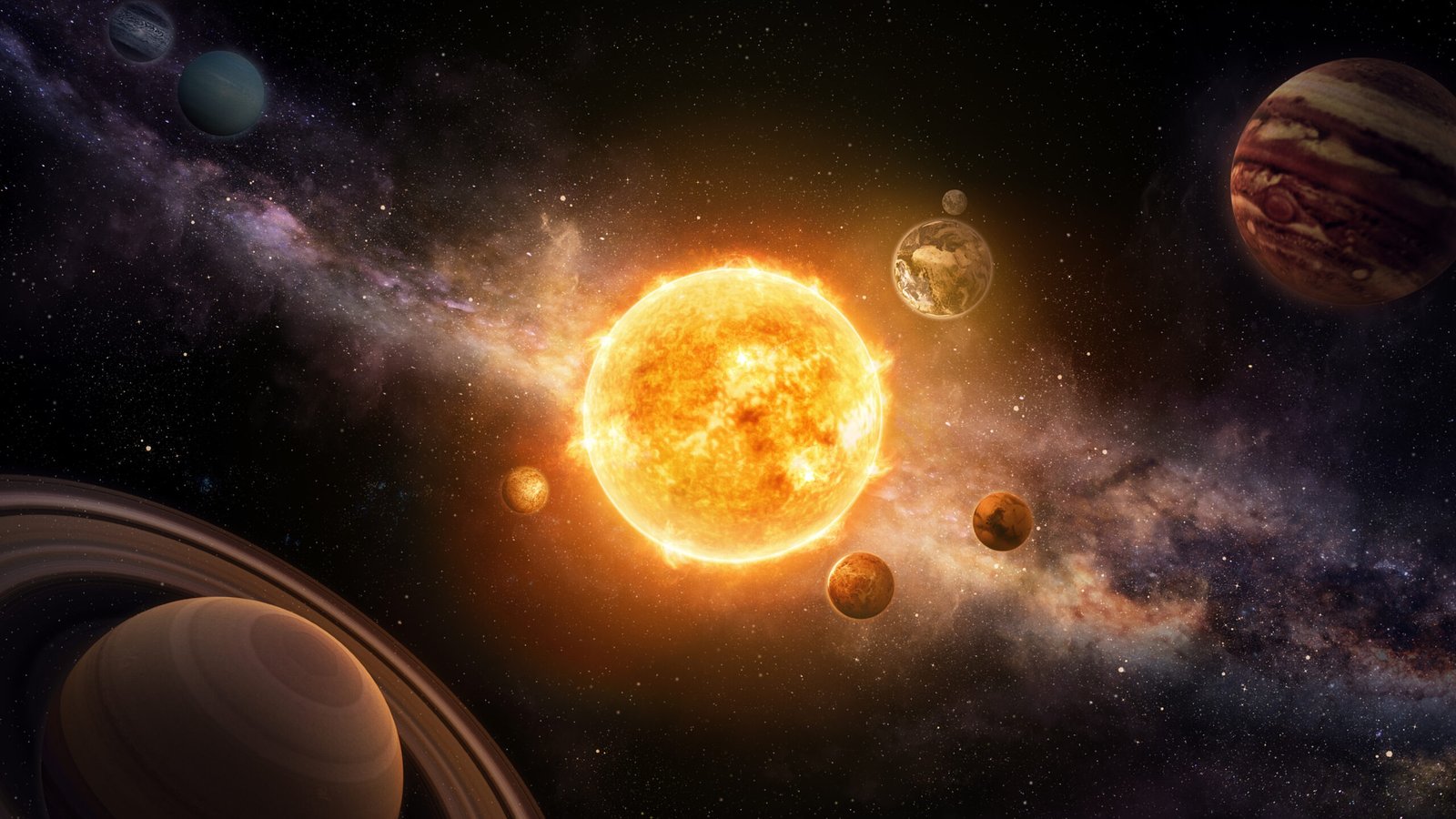
Ever opened Snapchat+, noticed a tiny planet badge next to a friend’s profile, and wondered what it actually means?
You’re not alone.
A lot of Snapchat users discover the feature accidentally and then spend hours trying to figure out why one friend appears as Mercury while another shows up as Venus or Earth. At first glance, it looks like a fun visual gimmick. But once you understand it, the feature reveals something interesting about how Snapchat measures your interactions with friends.
The idea has sparked curiosity, debates, and even a bit of anxiety among users. Some people love the extra insight into their friendships. Others feel it can encourage overthinking social relationships.
So, is it a useful feature or just another social media distraction? Let’s take a closer look.
Quick Answer
The snapchat solar system is a Snapchat+ feature that ranks your closest friends using planets. Just like planets orbit the Sun, your friends are assigned positions based on how frequently you interact with them. Mercury represents your closest friend, while Neptune represents a friend who is still in your top circle but with comparatively lower interaction levels.
What Is Snapchat Solar System?
Snapchat introduced a premium subscription called Snapchat+, which includes several exclusive features. One of the most talked-about additions is the Friend Solar System.
The concept is simple:
- You are represented as the Sun.
- Your top eight friends are assigned planets.
- The closer a planet is to the Sun, the stronger your interaction ranking with that friend.
The feature is designed to make friendship rankings easier to understand through a visual representation rather than numbers or percentages.
Instead of showing a leaderboard, Snapchat turns your social activity into a miniature solar system.
For many users, this feels more playful and less competitive than a traditional ranking system.
How Does It Work?
The system analyzes interaction signals between users.
While Snapchat has never publicly revealed the exact formula, it appears to consider factors such as:
- Chat frequency
- Snap exchanges
- Story interactions
- Overall engagement patterns
- Recency of communication
When viewing a friend’s profile, users with Snapchat+ may see a “Best Friends” or “Friends” badge.
Tapping that badge can reveal where you stand within each other’s friendship rankings.
For example:
- Mercury = Closest friend
- Venus = Second closest friend
- Earth = Third closest friend
- Mars = Fourth closest friend
- Jupiter = Fifth closest friend
- Saturn = Sixth closest friend
- Uranus = Seventh closest friend
- Neptune = Eighth closest friend
The closer the planet is to the Sun, the more interaction Snapchat believes exists between the two users.
It’s important to understand that rankings can change frequently. A few days of increased messaging with someone else may shift positions.
Planet Meanings Explained
Mercury
Mercury represents the strongest friendship connection.
If someone appears as Mercury, they are likely the person you communicate with most often through snaps, chats, and other interactions.
Venus
Venus indicates a very strong connection but slightly less engagement than Mercury.
Many close friends, siblings, or partners often appear here.
Earth
Earth usually represents consistent communication without being the absolute highest interaction level.
Mars
Mars suggests regular engagement but not daily dominance.
Many long-term friends often fall into this category.
Jupiter
Jupiter indicates a solid friendship with moderate interaction.
Saturn
Saturn often reflects a friendship that remains active but less frequent than higher-ranked planets.
Uranus
Uranus generally signals occasional engagement.
Neptune
Neptune is the outermost position and represents the eighth friend in your top friendship rankings.
Being Neptune doesn’t mean someone isn’t important. It simply means there are currently seven friends receiving more interaction.
Main Features
Several aspects make this feature stand out.
Visual Friend Ranking
The biggest attraction is the visual representation.
Instead of numbers and statistics, users see colorful planets that are easy to understand.
Exclusive Snapchat+ Access
The feature is available through Snapchat’s premium subscription.
This creates a sense of exclusivity while offering additional insights into social activity.
Dynamic Updates
Rankings change naturally as communication habits evolve.
The system reflects current engagement patterns rather than permanent friendship labels.
Gamified Social Experience
Many users enjoy checking rankings and seeing how friendships change over time.
The feature adds a playful layer to everyday messaging.
Pros and Cons
No feature is perfect, and this one is no exception.
Pros
Easy to Understand
The planetary model is intuitive and visually appealing.
Encourages Interaction
Some users become more engaged with friends after noticing ranking changes.
Fun and Entertaining
Many people simply enjoy exploring hidden Snapchat features.
Personalized Experience
The rankings feel unique because they reflect individual communication habits.
Cons
Can Create Unnecessary Stress
Some users become overly focused on friendship rankings.
Questions like “Why am I not Mercury anymore?” can sometimes lead to unnecessary anxiety.
Not a Complete Measure of Friendship
A close friend in real life may not rank highly if you rarely communicate through Snapchat.
Requires Snapchat+
Free users cannot access the feature.
Rankings Change Frequently
Because rankings are dynamic, users may see sudden shifts that don’t necessarily reflect real-life relationships.
Real-World Examples and Use Cases
To understand the feature better, let’s look at realistic scenarios.
Example 1: Best Friends at School
Two students exchange snaps throughout the day, react to stories, and chat constantly.
They are likely to appear as Mercury or Venus in each other’s rankings.
Example 2: Close Friend Outside Snapchat
Imagine your closest friend communicates mostly through WhatsApp or in-person conversations.
Even though the friendship is strong, Snapchat may rank them lower because interactions happen elsewhere.
Example 3: Temporary Ranking Changes
Suppose you spend a week planning an event with a coworker through Snapchat.
The increased communication may temporarily push them higher in the system.
After the event ends, rankings may return to normal.
These examples highlight an important point:
The feature measures Snapchat activity, not emotional closeness.
Is It Actually Useful?
The answer depends on your expectations.
If you’re looking for:
- A fun way to visualize social interactions
- Extra Snapchat+ features
- Curiosity-driven insights into messaging habits
Then it can be genuinely entertaining.
If you’re expecting:
- A scientific friendship score
- An accurate measure of relationship quality
- A complete picture of your social life
You’ll probably be disappointed.
In practical terms, the feature works best as a lighthearted tool rather than a serious friendship assessment system.
Safety and Privacy Considerations
One of the most common concerns is privacy.
Does It Reveal Private Information?
Not exactly.
The system only displays friendship rankings between connected users.
It doesn’t publicly broadcast your social hierarchy to everyone.
Can Others See Your Entire Ranking List?
No.
Users cannot freely browse your complete friend rankings.
The information is relatively limited.
Is Personal Data Being Shared?
The feature relies on interaction data that Snapchat already collects to operate the platform.
There’s no evidence that it exposes sensitive private conversations.
Still, users should remember that social platforms routinely analyze engagement patterns to provide personalized experiences.
Is Snapchat Solar System Legit?
Yes.
This is an official Snapchat+ feature developed by Snapchat itself.
It’s not a third-party app, hack, or unofficial modification.
That said, some misconceptions exist.
The rankings are not:
- Personality assessments
- Friendship quality scores
- Psychological evaluations
They’re simply engagement-based rankings generated from activity patterns.
Understanding this distinction prevents many misunderstandings.
Common Problems Users Experience
Planet Badge Not Showing
This often occurs because:
- Snapchat+ is inactive
- The feature is disabled
- The app needs updating
Rankings Seem Incorrect
Users frequently assume rankings reflect emotional closeness.
In reality, interaction frequency drives most results.
Constant Ranking Changes
Because engagement patterns shift daily, rankings may fluctuate more often than expected.
Feature Missing Entirely
Some users discover that Snapchat occasionally adjusts premium features or rollout schedules.
Availability may vary depending on app version and region.
Comparison With Alternatives
Several platforms offer friendship or interaction indicators.
Snapchat Friend Solar System
Strengths:
- Visual and engaging
- Easy to understand
- Unique design
Weaknesses:
- Can encourage comparison
- Limited practical value
Instagram Close Friends
Strengths:
- Focuses on content sharing
- More privacy-oriented
Weaknesses:
- No friendship ranking insights
TikTok Interaction Indicators
Strengths:
- Highlights engagement trends
Weaknesses:
- Less detailed relationship visualization
Facebook Friend Algorithms
Strengths:
- Broad social activity analysis
Weaknesses:
- Mostly hidden from users
Among these options, Snapchat’s planetary approach is arguably the most creative and user-friendly.
An Expert-Style Practical Opinion
After examining how the feature works, one thing becomes clear:
People often give it more meaning than it deserves.
I’ve seen users become excited because someone moved from Earth to Venus. I’ve also seen people worry when they dropped from Mercury to Mars.
The reality is much less dramatic.
Social relationships are complex. A friendship cannot be accurately measured through snap counts, chat streaks, or story reactions alone.
The feature works best when viewed as entertainment rather than validation.
Used casually, it can be fun.
Used obsessively, it can create unnecessary stress.
That’s probably the healthiest way to think about it.
Final Verdict
The snapchat solar system feature is one of the more interesting additions to Snapchat+.
It transforms friendship rankings into an engaging visual experience that many users enjoy exploring. The planetary system is creative, easy to understand, and genuinely entertaining for people who are curious about their interaction patterns.
At the same time, it has limitations.
It measures activity, not friendship quality. It can sometimes encourage overanalysis, especially among younger users who place too much importance on social rankings.
For most people, the feature is best viewed as a fun extra rather than an essential tool.
If you already subscribe to Snapchat+, it’s worth checking out. If you’re considering paying solely for this feature, the value may depend on how much you enjoy social insights and platform customization.
Read Next Blogs: Snap-Planets
FAQs
Q: What does Mercury mean in Snapchat’s friend planets?
A: Mercury represents your closest friend based on Snapchat interaction levels. It generally indicates the person you communicate with most frequently.
Q: Is the Snapchat solar system available for free users?
A: No. The feature is part of the Snapchat+ subscription and is not available on standard free accounts.
Q: Can someone see my planet ranking without me knowing?
A: Users can only view limited friendship badge information where Snapchat allows it. They cannot access a complete hidden ranking list of all your friends.
Q: Why did my planet change suddenly?
A: Rankings update based on interaction patterns. Increased communication with other users can shift positions over time.
Q: Does Neptune mean someone is not a close friend?
A: Not necessarily. Neptune simply indicates the eighth position among your top Snapchat interactions. Real-life friendship strength may be very different.
Q: Is the feature accurate?
A: It is accurate in measuring Snapchat activity. It is not necessarily accurate in measuring emotional closeness or relationship quality.
Q: Can I turn off friendship rankings?
A: Snapchat occasionally updates settings and feature controls. Availability of specific options may depend on your app version and Snapchat+ settings.
Q: Is Snapchat Solar System worth paying for?
A: If you enjoy social insights, exclusive features, and visual friend rankings, it can be entertaining. If you’re looking for practical functionality, it may not be enough reason alone to subscribe.
