

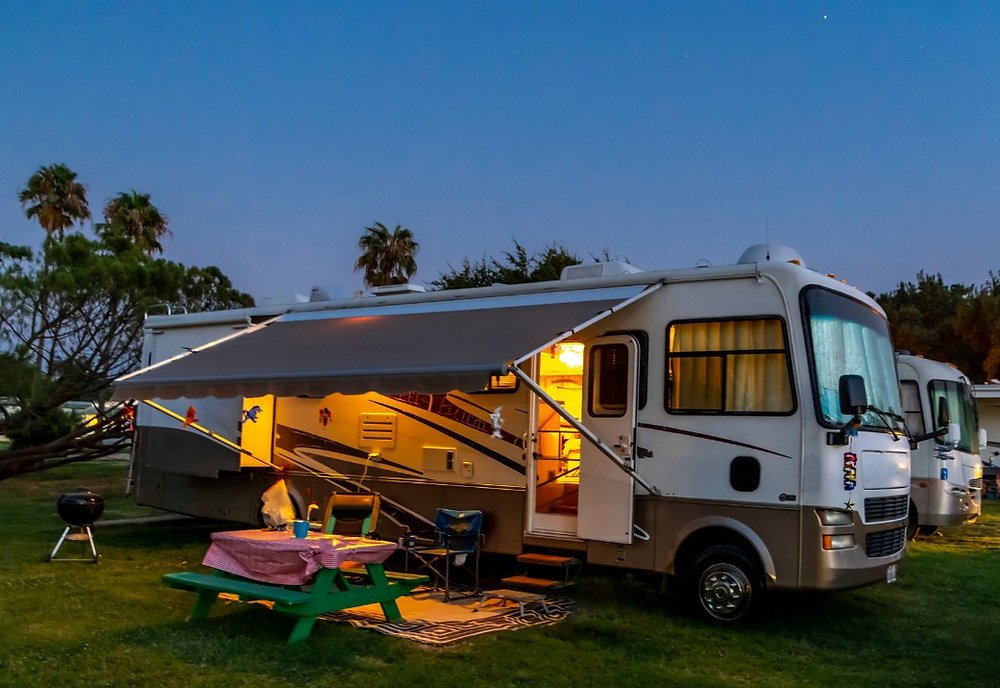
Picture this: you want the campfire, the stars, the smell of pine in the morning. But you don’t want to sleep on a rock, dig a hole for a toilet, or wake up with a sore back from a thin foam mat. That gap between “I love nature” and “I hate discomfort” is exactly where a whole industry quietly grew up around you.
That industry has a name now, and it’s showing up in travel reports, investor pitches, and Instagram captions in equal measure.
Quick answer: The glamping economy refers to the growing business ecosystem built around “glamorous camping” — outdoor stays that combine nature-based experiences with hotel-level comfort, such as heated tents, real beds, private bathrooms, and curated amenities. It includes everything from boutique resorts and eco-lodges to individual landowners renting out yurts on Airbnb, and it has become a measurable segment of the broader travel and hospitality market rather than just a passing trend.
If you’re trying to figure out whether this is a legitimate travel option, a smart business idea, or just an overpriced tent with good lighting — keep reading. I’ll walk through how it actually works, where the money goes, what the real trade-offs are, and whether it holds up once the novelty wears off.
What Does “Glamping Economy” Actually Mean?
The term sits at the intersection of two older ideas: camping and hospitality investment. Glamping itself — glamorous plus camping — has been around since roughly the mid-2000s, mostly as a niche offering at festivals and safari lodges. What changed is scale. Somewhere around the pandemic years, when people wanted outdoor space but still craved comfort and privacy, glamping stopped being a niche and started being an investment category.
The “economy” part refers to the network of businesses, property owners, platforms, and services that now exist around this demand: pre-fabricated tent and pod manufacturers, land developers converting farmland into glamping resorts, booking platforms specializing in unique stays, and a steady stream of small entrepreneurs setting up two or three luxury tents on a few acres as a side income.
In short, it’s not one company or one product. It’s a market — and like any market, it has winners, losers, and a lot of people in between still figuring out if the math works.
How the Glamping Economy Actually Works
At ground level, the model is fairly simple. Someone owns or leases land — often rural, scenic, and otherwise hard to monetize. Instead of building a traditional hotel (which is expensive and slow to permit), they install semi-permanent structures: safari tents, yurts, converted shipping containers, treehouses, or geodesic domes. These units typically cost far less than brick-and-mortar rooms but can be priced almost as high, sometimes higher, because guests are paying for the experience, not just the square footage.
From there, three things drive the business:
- Low build cost relative to hotels. A well-outfitted glamping tent might run a fraction of the cost of building a hotel room, yet nightly rates can rival a mid-range hotel.
- High perceived value. Guests aren’t just booking a bed. They’re booking a story — a weekend that feels different from ordinary life, which justifies a premium price in their mind even if the actual amenities are modest.
- Platform visibility. Sites like Airbnb, Glamping Hub, and Hipcamp built dedicated categories for unique stays, which made it far easier for small operators to reach travelers without needing their own marketing budget.
I’ve noticed that a lot of successful glamping sites lean hard into one thing: a view or a story worth photographing. A tent next to a lake with a clawfoot tub outside will out-earn a nicer tent in a forgettable field, every time. The product is partly the structure, but mostly the setting.
Main Features of a Glamping Business Model
Not every glamping operation looks the same, but most share a handful of traits that define the category:
- Semi-permanent or modular units — tents, domes, cabins, or pods that can be installed faster and cheaper than traditional construction
- Hospitality-grade comfort — real mattresses, electricity, sometimes en-suite bathrooms and climate control
- Nature-adjacent locations — forests, vineyards, coastlines, desert plots, or farmland, chosen specifically for scenery
- Experience-driven add-ons — stargazing decks, hot tubs, private chefs, guided hikes, or wellness programming
- Shorter development timelines — many sites can go from bare land to bookable within months, not years
- Seasonal and weather-dependent revenue — a factor that shapes almost every financial decision in this space
That last point matters more than most marketing materials admit. Glamping is rarely a year-round, guaranteed-income business unless it’s in a climate that supports it.
The Real Pros and Cons
What’s genuinely good about it
For guests, the appeal is straightforward: you get an outdoor experience without giving up a functioning bathroom. For a lot of families, especially ones with young kids or older parents, that’s not a luxury — it’s the difference between going camping at all or not.
For operators, the barrier to entry is lower than traditional hospitality. You don’t need a hotel license in most jurisdictions, construction is faster, and the aesthetic sells itself on social media in a way a standard motel room never will.
Where it gets shaky
The costs sneak up on people. Utilities, insurance, land maintenance, and seasonal staffing add up fast, and a lot of new operators underestimate how much marketing and guest communication is actually needed — this isn’t a passive income stream, whatever some YouTube video told you.
There’s also a quality gap in the market. For every well-built eco-resort with proper insulation and real plumbing, there’s a listing with a leaky tent and a porta-potty dressed up in nice photos. Guests sometimes book based on curated images and arrive to something considerably less polished.
Real-World Examples
A few patterns show up again and again when you look at how this plays out in practice:
A vineyard in a wine-producing region adds four safari tents on unused land between the rows. Guests pay a premium partly for the view, partly for proximity to tastings. Occupancy spikes on weekends and during harvest season, and drops hard in the off-season — a pattern typical of the glamping economy in agricultural or seasonal tourism zones.
A coastal landowner converts a few acres into dome-shaped stays with ocean views. Because the structures are weatherproofed, they can operate closer to year-round, which changes the entire financial picture compared to a forest-based site that basically shuts down in winter.
A small operator near a national park sets up two yurts to catch overflow demand from travelers who couldn’t get park lodging. This is one of the more consistent glamping business models, since it rides on existing tourism infrastructure rather than trying to be the destination itself.
Is It Safe, Legitimate, and Worth Trusting?
This is probably the question that matters most if you’re a traveler weighing whether to book, so let’s be direct about it.
Most established glamping operations are entirely legitimate businesses, often registered, insured, and operating under local tourism or hospitality regulations, though the specific rules vary a lot by country and even by county. The bigger risk isn’t fraud — it’s mismatched expectations. Photos taken with a wide-angle lens and good lighting can make a modest setup look like a five-star retreat.
A few practical checks help:
- Read recent reviews, not just the top ones — look specifically for comments about bathroom conditions, noise, and how the site handles bad weather
- Confirm whether the bathroom is private, shared, or an outdoor composting toilet, since listings aren’t always upfront about this
- Check cancellation policies carefully, since remote sites often have stricter no-refund rules than standard hotels
- If booking through a platform like Airbnb or Glamping Hub rather than a business’s own site, you generally get an added layer of payment protection
I’d say the legitimacy of the glamping economy as a whole isn’t really in question anymore — it’s a recognized part of the tourism industry now, tracked by hospitality analysts and covered in mainstream travel reporting. The legitimacy of any individual site, though, still comes down to normal due diligence.
Common Problems and Limitations
Weather dependency is the big one. Heavy rain, extreme heat, or wildfire season can shut down bookings entirely, and unlike a hotel, there’s often no backup indoor option.
Connectivity is another recurring complaint. Remote, scenic locations are often remote for a reason — spotty cell service and no Wi-Fi are common, which some guests love and others find genuinely frustrating once they’re actually there.
Pricing inconsistency also trips people up. Because there’s no standardized rating system across the industry the way there is with hotel stars, a $150-a-night tent and a $600-a-night tent can look nearly identical in photos, and the only way to tell the difference is digging into reviews and amenity lists.
How It Compares to Traditional Camping and Hotels
Against traditional camping, glamping trades effort for cost. You skip the packing, setup, and rough sleeping conditions, but you pay considerably more for it — often five to ten times the price of a basic campsite.
Against hotels, glamping trades predictability for atmosphere. A hotel room is consistent almost anywhere in the world. A glamping stay is more variable, but it offers something a hotel generally can’t: genuine proximity to nature without sacrificing a real bed.
Neither comparison makes glamping objectively “better.” It occupies a middle lane, and whether that lane makes sense depends entirely on what you’re actually looking for out of the trip.
A Practical, Experience-Based Opinion
Having looked closely at how these businesses are run and priced, my honest take is this: the glamping economy works best as a special-occasion product, not a default travel choice. It earns its price tag when the setting is genuinely exceptional — a real view, real quiet, real distance from your normal routine. It earns complaints when operators try to charge premium prices for what amounts to a nice tent in a mediocre field.
For travelers, the smartest approach is treating a glamping booking the way you’d treat a boutique hotel booking — read reviews carefully, check recent photos uploaded by guests rather than only the listing’s official ones, and set expectations around “elevated camping,” not “five-star resort with canvas walls.”
For anyone considering entering this business, the numbers can work, but only with realistic planning around seasonality, maintenance costs, and marketing effort. It’s a legitimate niche within tourism, not a guaranteed money-maker.
Final Verdict
The glamping economy is real, growing, and generally trustworthy as an industry — but it’s not uniform, and it’s not for everyone. If you want convenience above all else, a hotel still wins. If you want to rough it and don’t mind the effort, traditional camping is cheaper. But if you want a specific kind of experience — nature without the discomfort — this middle category earns its place, as long as you go in with clear eyes about what you’re actually paying for.
Featured Articles: techaspires
FAQs
Q: Is glamping more expensive than regular camping?
A: Yes, significantly. Glamping typically costs several times more than a standard campsite because you’re paying for structure, furnishing, and often added amenities like private bathrooms or hot tubs, not just a plot of land.
Q: Is the glamping economy a good business to start?
A: It can be, particularly on land that’s otherwise hard to monetize, but success depends heavily on location, seasonality, and realistic budgeting for maintenance and marketing. It’s not passive income.
Q: Are glamping sites safe for families with kids?
A: Generally yes, especially at established sites with private bathrooms and secure structures, though it’s worth confirming amenities and childproofing details directly with the host before booking.
Q: What’s the difference between glamping and eco-lodging?
A: They overlap heavily, but eco-lodging specifically emphasizes sustainable building practices and low environmental impact, while glamping is defined more by the comfort-meets-nature experience and doesn’t always prioritize sustainability.
Q: Does glamping work year-round?
A: It depends on climate and structure type. Weatherproofed domes or insulated cabins can often operate close to year-round, while canvas tents in colder regions are typically seasonal businesses.
Q: How do I know if a glamping listing is legitimate before booking?
A: Check recent guest reviews for specifics on bathroom setup, weather handling, and accuracy of photos, and book through platforms that offer payment protection rather than paying a host directly outside a booking system.hile glamping is defined more by the comfort-meets-nature experience and doesn’t always prioritize sustainability.
Q: Does glamping work year-round?
A: It depends on climate and structure type. Weatherproofed domes or insulated cabins can often operate close to year-round, while canvas tents in colder regions are typically seasonal businesses.
Q: How do I know if a glamping listing is legitimate before booking?
A: Check recent guest reviews for specifics on bathroom setup, weather handling, and accuracy of photos, and book through platforms that
