

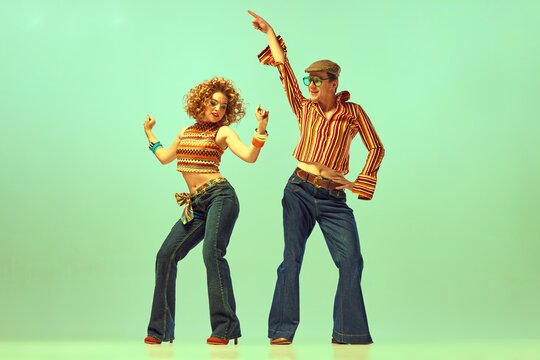
I was digging through my mom’s old photo albums a few months back, and there it was — a picture of her at some cousin’s wedding in 1976, wearing a floaty, bell-sleeved dress with a print so loud it practically hummed. I remember thinking, “I would 100% wear that right now.” That’s the thing about this era of clothing. It never really left. It just went quiet for a while and came back louder.
If you’ve been scrolling through Pinterest boards, thrift store racks, or your favorite fashion Instagram accounts and keep running into the same silhouettes — flared hems, wrap waists, paisley prints, crochet detailing — you’ve stumbled onto one of the most enduring style movements in modern fashion history. This article breaks down what this look actually is, how to wear it well, where it can go wrong, and whether it’s worth building part of your wardrobe around.
Quick Answer
Seventies-era dresses are garments styled after the fashion trends of 1970-1979, typically featuring flowing silhouettes, bold prints, natural fabrics, flared or bell sleeves, empire waists, and midi or maxi lengths. They’re a mix of bohemian, disco, and folk influences, and they remain popular today because they flatter a wide range of body types, work for both casual and formal settings, and pair easily with modern accessories. You can find them as genuine vintage pieces, thrifted originals, or new reproductions from retailers who specialize in retro-inspired clothing.
What Is “Fashion 70s Dresses,” Really
When people search for fashion 70s dresses, they’re usually not looking for a museum exhibit. They want wearable clothing inspired by that decade — the prairie dresses, the disco slip gowns, the wrap dresses Diane von Furstenberg made famous, the maxi dresses with psychedelic prints that hippie culture popularized.
The seventies were a weird, wonderful mash-up of movements. You had the tail end of the flower-child aesthetic bleeding into disco glamour, while punk was quietly brewing in the background. Dress silhouettes reflected all of it. Some were loose and unstructured, almost like you rolled out of bed and grabbed the nearest curtain. Others were skin-tight and shimmery, built for strobe lights and dance floors.
That variety is actually the whole point. There isn’t one “seventies dress.” There are several distinct sub-styles, and knowing them helps you shop smarter:
- Boho/prairie dresses — long, flowy, often with lace trim, puffed sleeves, and floral or paisley prints
- Wrap dresses — the DVF-style silhouette, cinched at the waist, universally flattering
- Disco dresses — metallic, sequined, or slinky jersey fabric, usually shorter or with a slit
- Peasant dresses — off-shoulder or square neck, drawstring waist, cotton or gauze fabric
- Maxi dresses — full-length, often with a fitted bodice flowing into a wide skirt
How It Works (Styling and Sourcing)
Here’s where a lot of people get stuck. Buying a seventies-inspired dress is easy. Wearing it so it looks intentional instead of costume-y takes a little more thought.
The trick is balance. If your dress has a busy print, keep accessories simple. If it’s a solid color, that’s your chance to layer on chunky jewelry, a wide belt, or platform shoes. Most seventies dresses were designed to move with the body, so fabric choice matters — cotton, linen, and light jersey drape naturally, while stiff polyester blends can look flat and cheap even if the shape is right.
For sourcing, you basically have three lanes:
- True vintage — original pieces from the decade, found in thrift stores, estate sales, or vintage-specific sellers on Etsy and Depop. These are one-of-one, but sizing runs small compared to modern standards, and fabric can be fragile.
- Reproduction/retro brands — companies that design new clothing modeled after seventies patterns. Consistent sizing, more durable, but sometimes lacks the authentic texture of original fabric.
- Fast fashion “boho” lines — mass-market versions loosely inspired by the aesthetic. Cheapest option, but quality and print accuracy vary wildly.
Honestly, if you’re just testing whether this style suits you, starting with option three or a thrifted piece makes more sense than dropping money on true vintage right away.
Main Features to Look For
A dress doesn’t need every single one of these traits to count as “seventies style,” but the more boxes it checks, the more authentic the silhouette feels:
- Bell or bishop sleeves — wide at the wrist or gathered at the cuff
- Empire or dropped waistlines — sits higher or lower than the natural waist
- Bold, repetitive prints — florals, paisleys, geometric patterns, earth-tone palettes
- Natural or semi-natural fabrics — cotton, linen, crepe, light wool blends
- Midi to maxi length — hemlines typically fall below the knee
- Collar details — Peter Pan collars, pointed collars, or collarless V-necks
- Belts and waist ties — used to define shape on otherwise loose garments
Pros and Cons
No style is perfect for everyone, and pretending otherwise wouldn’t be honest.
Pros:
- Genuinely flattering across different body shapes because the loose or wrap-style cuts don’t cling to problem areas
- Comfortable — a lot of these dresses were designed for movement, not restriction
- Versatile — dress it up with heels and gold jewelry, dress it down with sneakers and a denim jacket
- Sustainable option if you buy secondhand, since you’re not contributing to new textile production
- Distinct look that stands out in a sea of fast-fashion sameness
Cons:
- Vintage sizing can run smaller than modern equivalents, which makes shopping frustrating
- Delicate fabrics on original pieces may not survive regular washing
- Some prints and cuts can read as “costume” if not styled carefully
- Harder to find in petite or plus-size ranges for true vintage pieces
- Quality control on cheap reproductions is inconsistent — you might get something that looks nothing like the photo
Real-World Examples
A friend of mine wore a rust-colored prairie dress to a fall wedding last year, paired with simple gold hoops and ankle boots. She got three compliments before the ceremony even started, and nobody clocked it as “vintage-inspired” — it just looked like a well-put-together outfit.
On the flip side, I once bought a cheap polyester wrap dress online that looked exactly like the seventies photos in the listing. In person, the fabric was stiff, the print was slightly off-center, and it wrinkled if you looked at it wrong. Lesson learned: read fabric descriptions carefully, and check return policies before buying retro-style clothing from unfamiliar sellers.
Other common use cases include themed parties, editorial photoshoots, festival outfits (Coachella and similar events lean heavily into boho-retro looks), and everyday wear for people who just prefer flowy, comfortable silhouettes over fitted modern cuts.
Safety, Legitimacy, and Buying Concerns
This isn’t a high-risk purchase category, but there are a few legitimate things to watch for.
Authenticity claims — Sellers on resale platforms sometimes label items as “genuine 70s” when they’re actually later reproductions. Check stitching, fabric tags, and zipper types (metal zippers and specific tag fonts can help date a garment) if authenticity matters to you.
Fabric safety — Older synthetic fabrics can degrade and release fibers over time, which isn’t dangerous, but isn’t great for sensitive skin either. Washing vintage pieces gently, or having them professionally cleaned once, is a reasonable precaution.
Seller legitimacy — When buying from smaller online vintage shops, check reviews, return policies, and whether measurements (not just sizes) are listed. Vintage sizing labels are notoriously unreliable.
There’s nothing inherently unsafe about this fashion category. The concerns are mostly about getting what you pay for, not physical risk.
Common Problems and Limitations
People run into a handful of recurring issues:
- Ordering by “size” instead of actual body measurements, then getting something that doesn’t fit
- Assuming all seventies dresses are formal, when many were casual daywear
- Over-accessorizing to the point the outfit looks like a costume rather than an outfit
- Struggling to find plus-size vintage originals, since size ranges were narrower back then
- Paying vintage prices for what’s actually a modern reproduction
Comparison With Alternatives
If seventies-style dresses aren’t quite hitting the mark for you, a few related aesthetics might fit better:
- 60s mod dresses — shorter, more structured, geometric prints, less flowy
- 80s power dressing — sharper shoulders, bolder colors, more structured silhouettes
- Modern boho — similar loose, flowy vibe but with contemporary fabrics and cuts, easier sizing
- Cottagecore dresses — softer, more pastel, less print-heavy than true seventies styles
If comfort and print are what draw you in, modern boho might actually serve you better day-to-day. If you specifically want that authentic decade feel, sticking with true vintage or well-researched reproductions is worth the extra effort.
Practical Opinion
Speaking honestly, as someone who’s bought both cheap and higher-quality pieces in this category: the sweet spot is usually mid-range reproduction brands rather than either extreme. True vintage is beautiful but genuinely hard to size and maintain. Ultra-cheap fast fashion versions of fashion 70s dresses often disappoint once they arrive, no matter how good the product photos look.
If you’re building a wardrobe around this style rather than buying one piece for an event, invest in a couple of well-made staples — a solid wrap dress and one printed maxi — and fill in around them with cheaper pieces. That way you get the durability where it matters most.
Final Verdict
This style has staying power for a reason. It’s comfortable, it photographs well, it works across seasons with the right layering, and it doesn’t require a specific body type to look good. It’s not flawless — sizing headaches and inconsistent quality on cheaper pieces are real issues — but for most people looking to add some retro flair to their closet, it’s a genuinely worthwhile category to explore. Just shop with your eyes open, prioritize fabric quality over flashy prints, and don’t be afraid to mix eras rather than going full costume.
Next More blogs: Keana Taylor Houston Real Estate
FAQs
Q: What decade influences are most common in 70s dress reproductions?
A: Most reproductions pull from boho, disco, and prairie influences that were dominant in the mid-to-late 1970s, though some brands blend in late-60s mod elements too.
Q: Are 70s style dresses appropriate for work or formal events?
A: Yes, depending on the cut. Wrap dresses and simpler midi styles in solid colors or subtle prints work well for office settings, while bold prairie or disco styles are better suited to social events.
Q: How do I know if a “vintage” dress is actually from the 1970s?
A: Check the fabric tag, zipper type, and stitching style. Metal zippers, specific fabric blends, and certain tag fonts are common indicators, though the most reliable way is buying from a seller who specializes in dated vintage and provides documentation.
Q: Do 70s dresses run true to size? A:
True vintage pieces often run smaller than modern sizing charts, so always check actual measurements rather than relying on the labeled size. Reproduction brands usually follow modern sizing more closely.
Q: What shoes pair best with a 70s-style dress? A:
Platform sandals, block heels, and ankle boots are the most historically accurate choices, though modern sneakers work fine for a casual, updated take on the look.
Q: Is this style considered sustainable fashion?
A: Buying secondhand or true vintage pieces is a sustainable choice since it doesn’t require new textile production. New reproduction pieces vary in sustainability depending on the brand’s manufacturing practices.
